Michigan State University held its second annual Stakeholder Engagement Forum behind closed doors Thursday, Sept. 10.
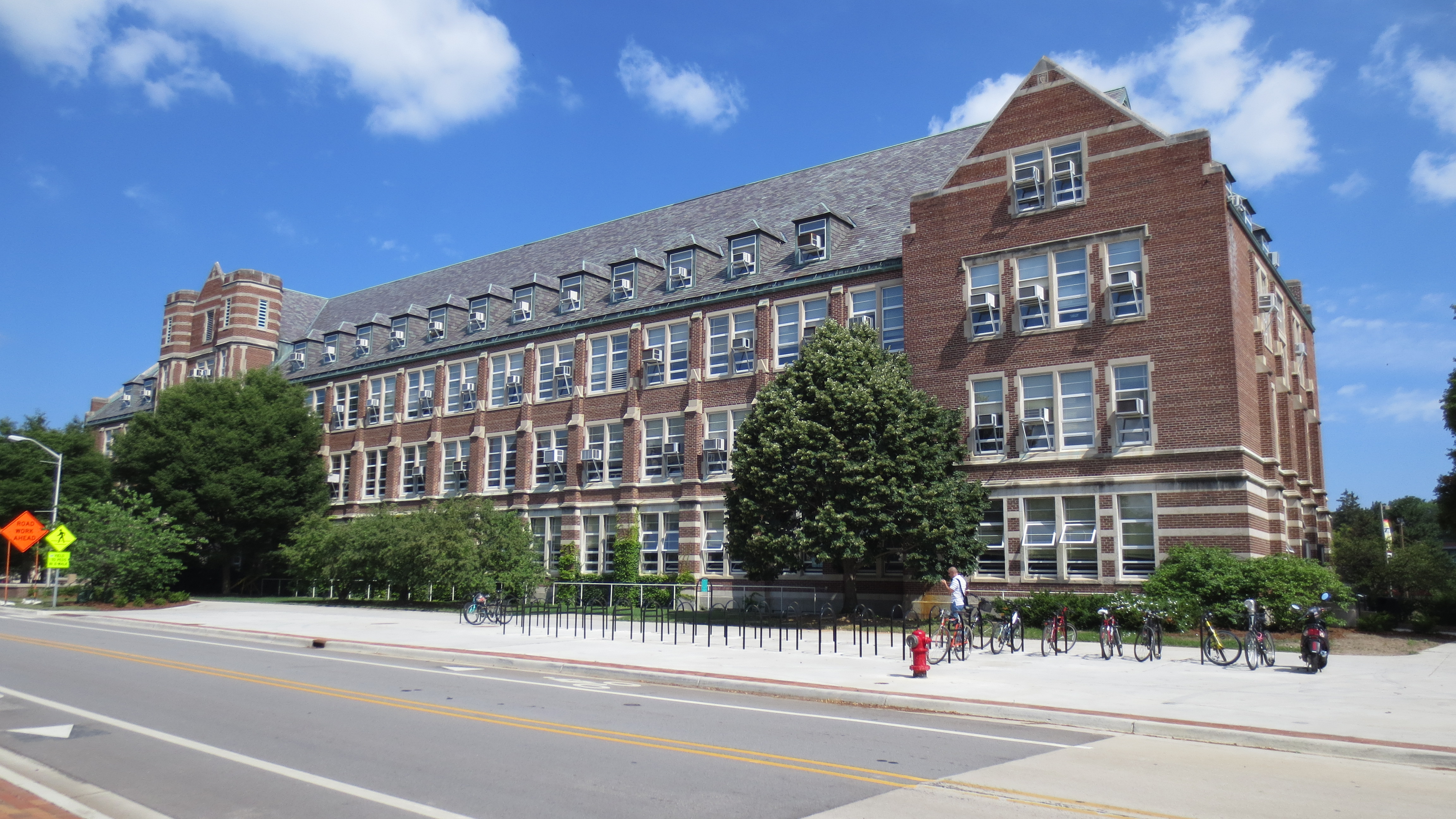
Student leaders criticized the board for limiting access to the four-hour session, which covered artificial intelligence policy, workplace culture and the student experience at the Minskoff Pavilion in the Broad College of Business. About 50 invited participants, including students, faculty, staff and community members, sat at roughly 12 tables with trustees and administrators.
Media were barred from the room.
Board Chair Brianna Scott, D-Muskegon, said the closed format encourages candor. She told the Lansing State Journal after the forum that participants might not share personal stories in a public setting and that the findings would eventually be made public. Scott told The State News on Sept. 8 that the forum lets trustees respond in real time, something regular Friday board meetings do not allow.
ASMSU President Maddie Hanes pushed back. She told The State News there was little explanation for why certain students were chosen and called for more transparency from the board.
MSU spokesperson Amber McCann said the university received 444 theme suggestions and 117 nominations for attendees through two rounds of community surveys, according to the Lansing State Journal. Scott said trustees played no role in selecting participants.
A directory of attendees shared with The State News showed the guest list leaned heavily toward deans and vice presidents, with one outlier: State Rep. Joe Tate, D-Detroit.
AI policy dominated discussion
The AI session featured presentations from Marcio Oliveira, vice provost for academic innovation, and Richard Czarnecki, chief information officer. MSU's current AI policy, adopted last year, leaves enforcement to individual departments and instructors rather than setting a single university-wide standard.
That inconsistency frustrated students. Social work and journalism junior Jacob Mason said his table spent most of its time on the issue. "There needs to be more standardization for the whole university," Mason told The State News. "My table said that a lot of students go from class to class and the AI policy is different in every one, and then they get confused."
President Kevin Guskiewicz said at a post-forum press conference that he wants MSU to be a leader in AI and is considering more systematic guidance on its use, WLNS reported. He said the forum's participants felt MSU should remain a "human, people, student-centered" institution. Scott said she would like to see more AI instruction for incoming students.
Transparency concerns linger
Michigan's Open Meetings Act (OMA) requires public bodies to meet in the open, but a 1999 state Supreme Court decision exempts public universities because of their constitutional status, The State News reported. That gives MSU broad discretion over access.
Last year's inaugural forum also drew scrutiny. The State News covered that event from outside the Multicultural Center for nearly six hours while police officers guarded both entrances and black curtains blocked the windows.
Trustee Dennis Denno, D-East Lansing, acknowledged the tension before Thursday's forum, telling the Lansing State Journal he is a fan of transparency but hopes the closed setup encourages more honest dialogue.
Hannah Grisham, vice president of the Union of Non-Tenure Track Faculty, said the work-culture discussion surfaced real frustrations about employee benefits. Asked whether the forum would lead to change, Grisham told The State News: "We'll see, prove it."
The Board of Trustees is scheduled to hold a public meeting Friday, Sept. 11, at 9 a.m. at the Hannah Administration Building.