Michigan's fiscal year 2027 budget dedicates $40 million to reimburse school districts for dual enrollment costs, according to MiLEAP. It marks the first time the state has created a dedicated funding source for the program.
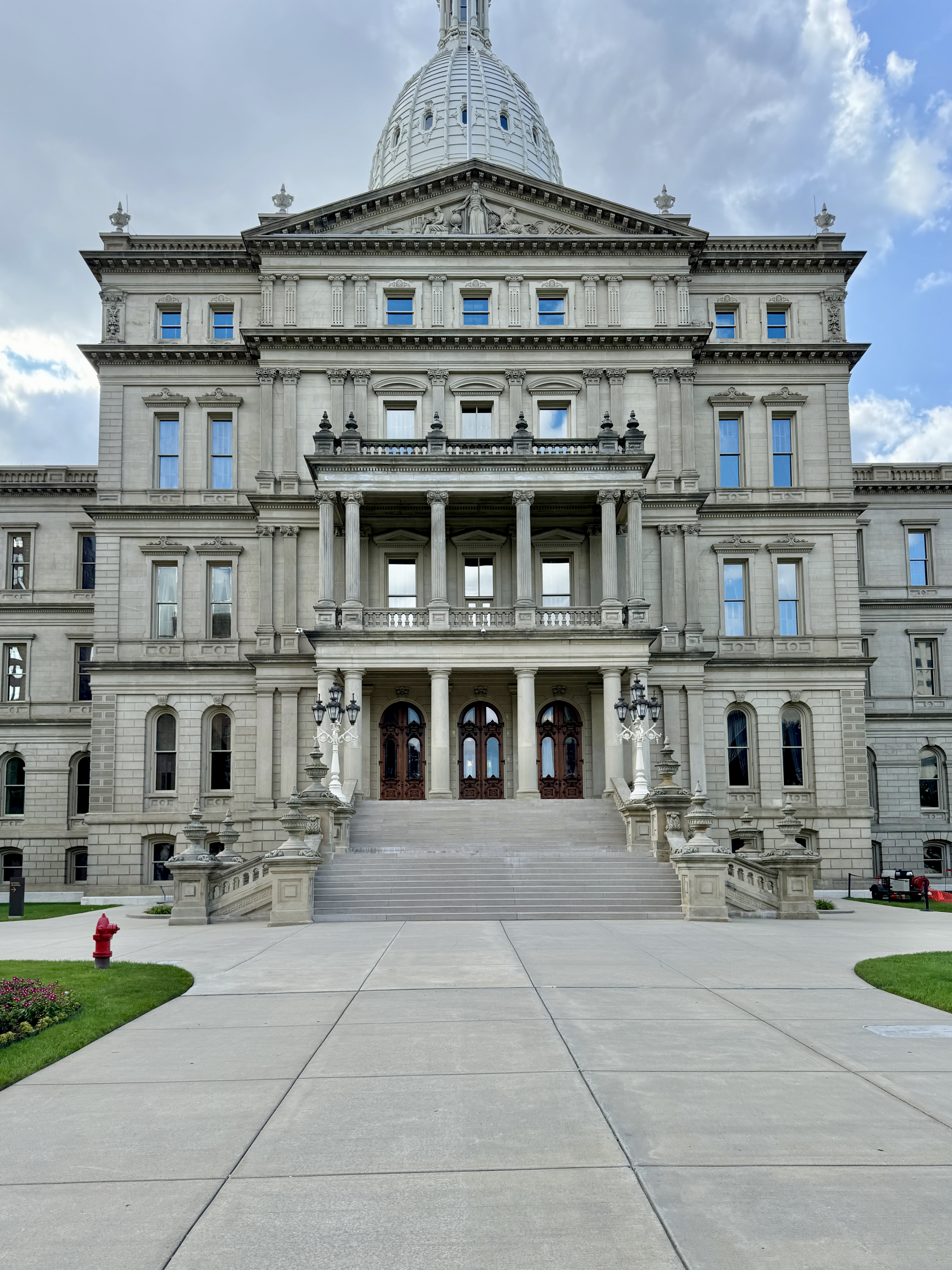
The appropriation, part of a $75.2 billion state budget passed by the Legislature in early July, targets a persistent problem: under the current system, districts must pay college tuition for dual-enrolled students out of their per-pupil state aid. That structure has discouraged many districts from promoting the program.
Only 7% of Michigan public high school students participate in dual enrollment, placing the state among the lowest nationally, according to the Michigan Department of Lifelong Education, Advancement and Potential, known as MiLEAP.
In the Lansing area, the Capital Region Technical Early College program, or CRTEC, already offers students in Ingham, Clinton and Eaton counties a tuition-free path to college credit starting in 11th grade through partnerships at the Ingham ISD Wilson Talent Center and other sites. The new state funding could ease the financial burden on local districts that pay for such programs.
East Jackson Community Schools Superintendent Jeff Punches told WILX his district spends between $50,000 and $100,000 a year on dual enrollment. Other districts spend far more.
"You have some districts that are spending a quarter of a million dollars … so that's huge for them if they can recoup some of that money," Punches said.
Sarah Szurpicki, deputy director of MiLEAP's Office of Higher Education, said the state had never set aside money specifically for dual enrollment before this budget. She pointed to data showing 77.1% of dual enrollment students enroll in college within a year of graduating high school, compared to 55.8% of students overall.
The funding aligns with Michigan's "Sixty by 30" goal, which aims for 60% of working-age adults to hold a degree or credential by 2030. The state sits at roughly 52%.
Brandy Johnson, president of the Michigan Community College Association, described the old funding model's chilling effect in March 2025 reporting by the Spartan Newsroom. At the time, advocates were pushing for $20 million to $30 million in state funding to relieve districts of tuition costs.
Johnson said districts had little incentive to promote dual enrollment when the cost came from their own budgets.
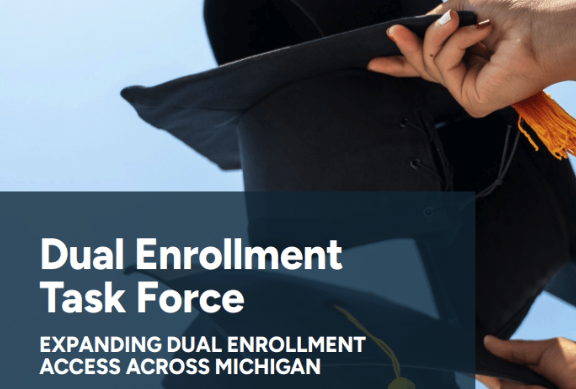
MiLEAP released the final report of its Dual Enrollment Task Force on Friday, Aug. 28, outlining recommendations to expand access. The task force found that financial pressures on districts, test-based eligibility requirements and costs like transportation and course materials all limit participation.
High school students make up just 14.8% of enrollees at Michigan's public community colleges, the lowest rate among neighboring states, according to U.S. Department of Education data cited in the March 2025 Spartan Newsroom report.
Districts must report their dual enrollment numbers to the state before any reimbursement money is distributed.