Ingham County has recorded 915 cyclosporiasis cases, making it one of the hardest-hit counties in Michigan's historic parasitic outbreak that has sickened nearly 14,000 people statewide.
The Michigan Department of Health and Human Services reported 13,909 total cases as of Thursday, Aug. 13, according to WILX. That's up from 12,485 on Aug. 6 and just 174 on June 30. Michigan typically sees about 50 cases per year.
The outbreak has slowed enough that MDHHS shifted from daily to weekly reporting. The Aug. 13 update was the first issued on that weekly schedule.
Statewide, 314 people have been hospitalized and two have died. MDHHS said both individuals who died had significant underlying health conditions that may have been worsened by cyclosporiasis and dehydration. The department emphasized that deaths from the infection are uncommon in the United States.
Ingham County's response
Ingham County's 915 cases place it fourth statewide, behind Wayne County (2,029), Oakland County (1,499) and Washtenaw County (1,093).
Ingham County Health Department Deputy Health Officer Anne Barna told The State News on July 27, when the county had nearly 700 cases, that investigators were following up with patients by survey or phone call to identify patterns. "That makes it easier when you're looking across the state to understand patterns. That's what our epidemiologists are looking for: to understand what's happening: Is this restaurant a potential source? Is this product bought at this store a potential source, et cetera?" Barna said at the time.
The county's caseload has grown by more than 200 since that interview.
What residents should know now
On Aug. 6, MDHHS lifted its bagged-salad advisory and told residents they can resume routine guidance for consuming lettuce and salad greens. Officials said they believe most exposures occurred in late June through early July, based on falling case counts and a drop in emergency department visits.
The FDA linked the outbreak to iceberg lettuce from Taylor Farms de Mexico. Taylor Farms issued a voluntary recall of all iceberg lettuce from central Mexico on July 17. Recalled products include Marketside-brand Iceberg Salad bags and Shredded Lettuce bags with best-if-used-by dates of July 18 through Aug. 3. Any such product still at home should be discarded.
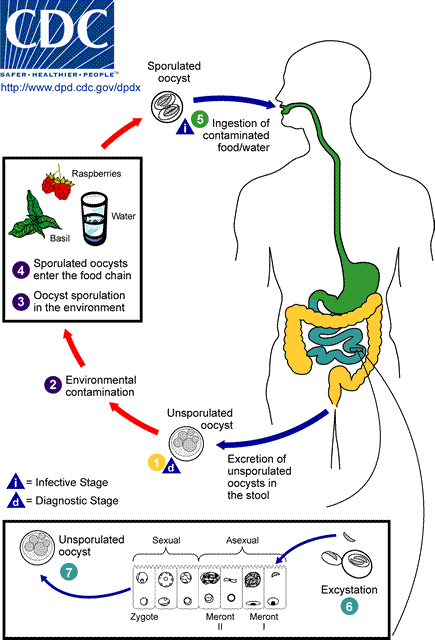
Cyclosporiasis is caused by the microscopic parasite Cyclospora cayetanensis, spread through contaminated food or water. Symptoms include watery diarrhea, stomach cramps, nausea, fatigue and weight loss, typically beginning about a week after exposure. The illness can last weeks without treatment.
Washing produce cannot guarantee removal of the parasite. Its oocysts are chlorine-resistant; heat above 158°F is the only known kill step.
What to do if you're still sick
Residents experiencing prolonged or relapsing watery diarrhea, particularly those who consumed shredded iceberg lettuce in late June or early July, should contact a healthcare provider and specifically request a stool test for Cyclospora cayetanensis. The parasite does not appear on standard stool panels. The standard treatment is the antibiotic trimethoprim-sulfamethoxazole, sold as Bactrim or Septra.
MDHHS will continue publishing weekly updates on its Infectious Disease Outbreaks dashboard every Thursday through Aug. 31. The next update is expected Thursday, Aug. 20.