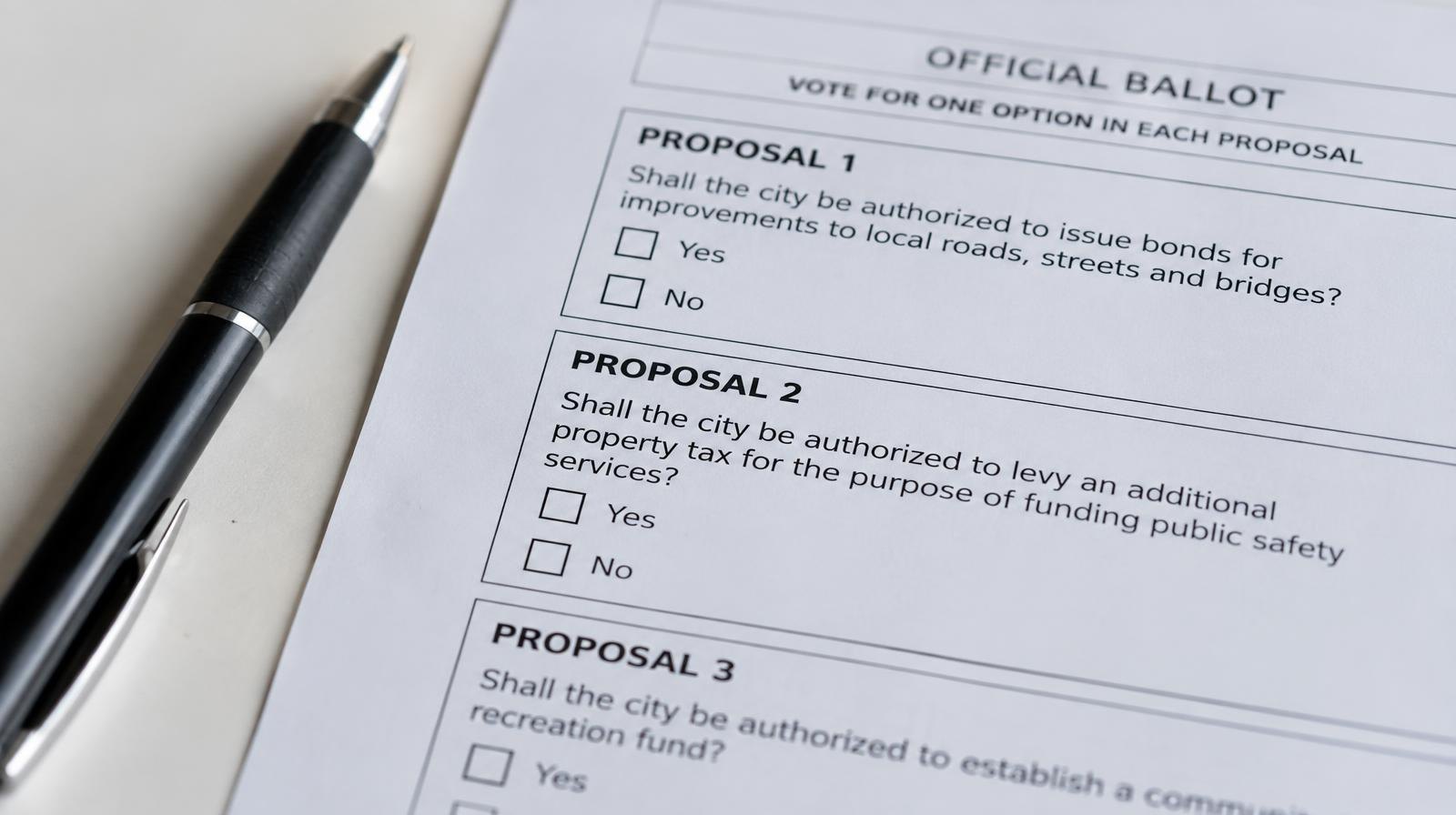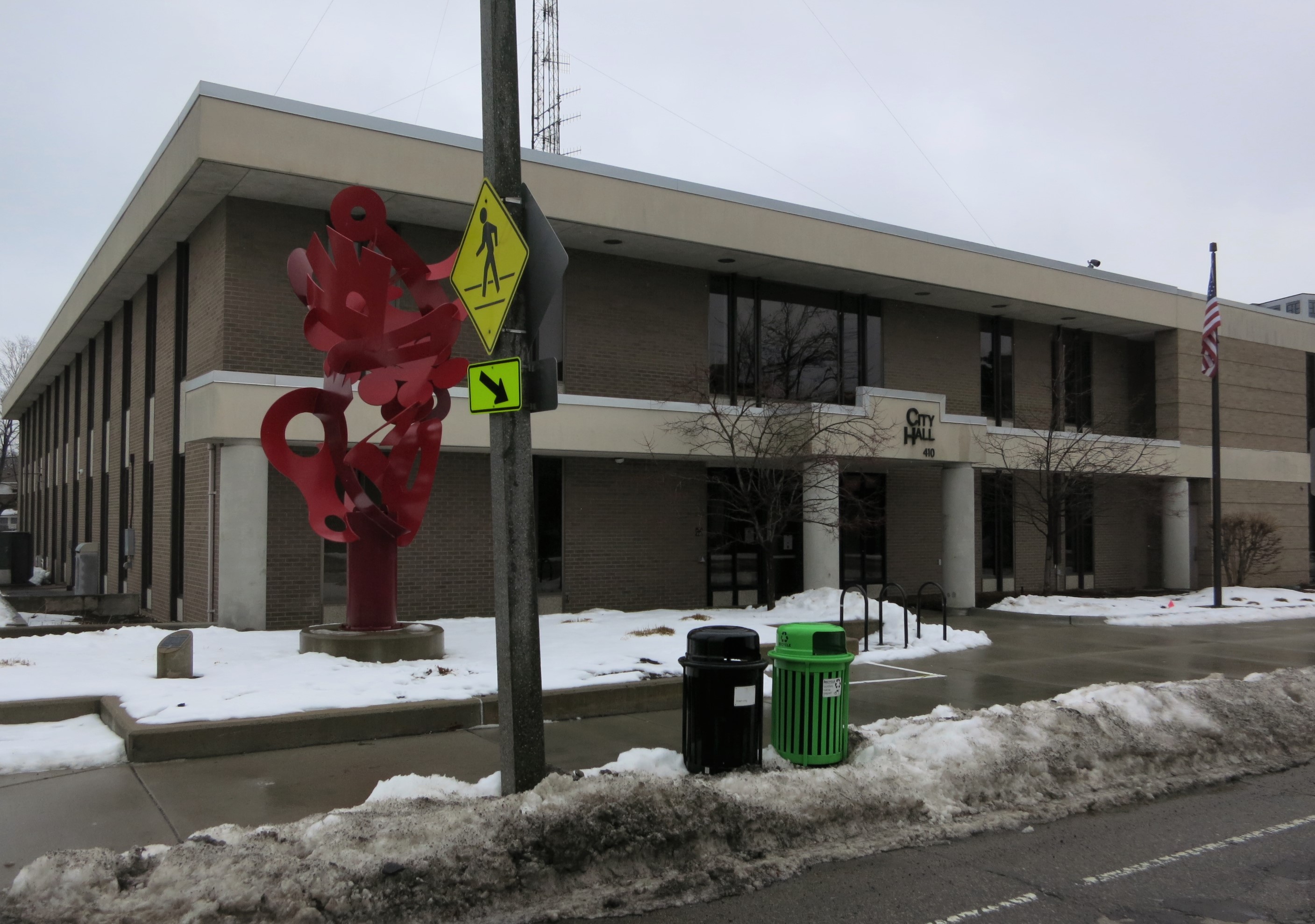
East Lansing voters will decide two charter amendments on the Nov. 3 ballot after the City Council adopted language for both measures at a special meeting Monday, Aug. 10, at the Hannah Community Center.
The first proposal would create a Citizens' Advisory Healthcare Action Committee to study healthcare affordability and produce a biennial action plan. The second would shift all city elections from odd-numbered years to even years.
Healthcare advisory committee
Community Action Michigan filed petitions with the city clerk's office on June 30. City Clerk Emily Gordon's office completed its canvass by July 15 and confirmed the group met the 5% registered-voter signature threshold required under the Home Rule City Act.
The committee, if voters approve it, would consist of seven council-appointed members who meet quarterly, hold community forums and deliver a Healthcare Action Plan to City Council every two years. The body would be advisory only.
But the measure faces a procedural barrier at the state level. The governor and attorney general must review charter amendment language before it appears on a ballot, and both offices require submissions 60 to 90 days before the filing deadline. In a WKAR segment Aug. 9, politics reporter Andrew Roth said the proposal is "probably facing a dead end with the governor and attorney general who won't approve it this close to the earlier deadline."
The clerk's office anticipated a denial letter from the governor, citing precedent from 2023 and 2024 when similar East Lansing initiatives were denied a courtesy review. However, under Michigan law, a petition-initiated charter amendment must still be submitted to voters even if the governor returns it with objections. Whether the governor's office has formally responded was not confirmed as of Tuesday, Aug. 11.
The Lansing City Council voted the same night to place a similar healthcare advisory board amendment on its November ballot, backed by more than 7,000 petition signatures.
Even-year elections
The second measure asks voters whether to move all City Council elections from odd to even years. East Lansing Residents for Good Government filed the petition with the clerk on July 27.
The initiative grew out of a citizens' group called Let East Lansing Vote, co-founded by MSU political science professors Sarah Rechow, Nazita Lajevardi and Adam Delay, along with MSU alum Liam Richichi. In a June 2026 State News article about the petition drive, Lajevardi said odd-year elections disproportionately exclude "young people, renters, lower-income residents and frankly many voters of color."
Proponents say the switch would save East Lansing $60,000 to $80,000 annually and boost turnout. Data cited by the group shows roughly 35% less voter participation in the 2025 local election compared with the 2024 general, with nearly 45% less turnout among voters in their 20s and 30s.
If approved, the council election scheduled for 2027 would move to 2028, and the council would be required to implement the change by Dec. 31, 2026. A similar effort was attempted by the council in 2023 but was denied by the governor and attorney general.
Closed session
The council also entered closed session to discuss three pending lawsuits: Smith v. City of East Lansing (1:25-cv-1380), Woods v. City of East Lansing (1:25-cv-1381) and a combined appellate case (No. 26-3081-AW). No action was announced.
The Nov. 3 General Election registration deadline is Oct. 19.