Cryptocurrency kiosk operators in Lansing will need a city license and must provide customer disclosures and warnings under a new ordinance taking effect Jan. 1, 2027.
Lansing City Council adopted Ordinance 1366, adding Chapter 873 to the city code, according to a city-issued public notice published in the Lansing City Pulse on Nov. 3.
The ordinance establishes licensing procedures, requires disclosures and warnings from operators and businesses hosting the machines, regulates transactions involving new customers and sets penalties for violations.
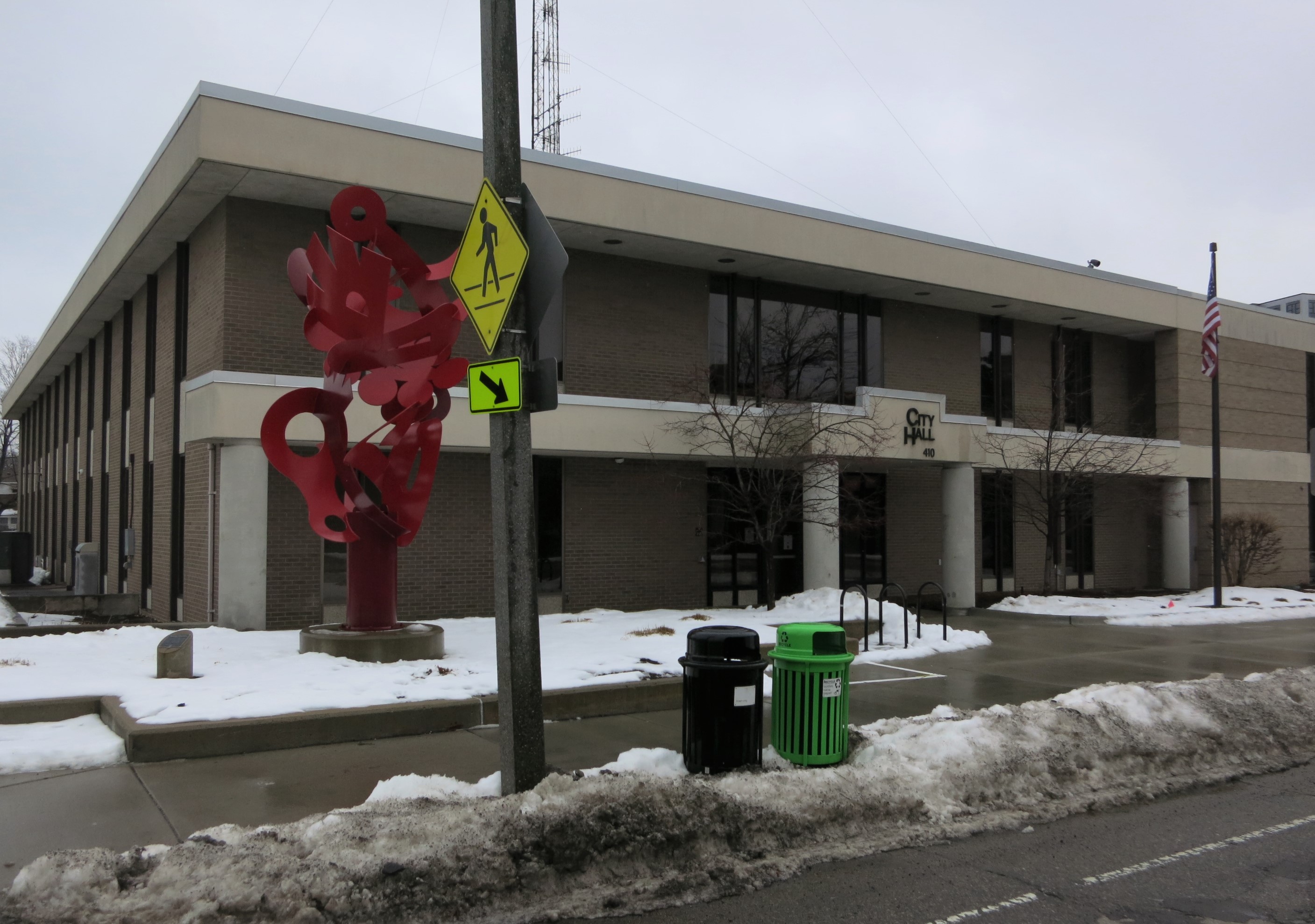
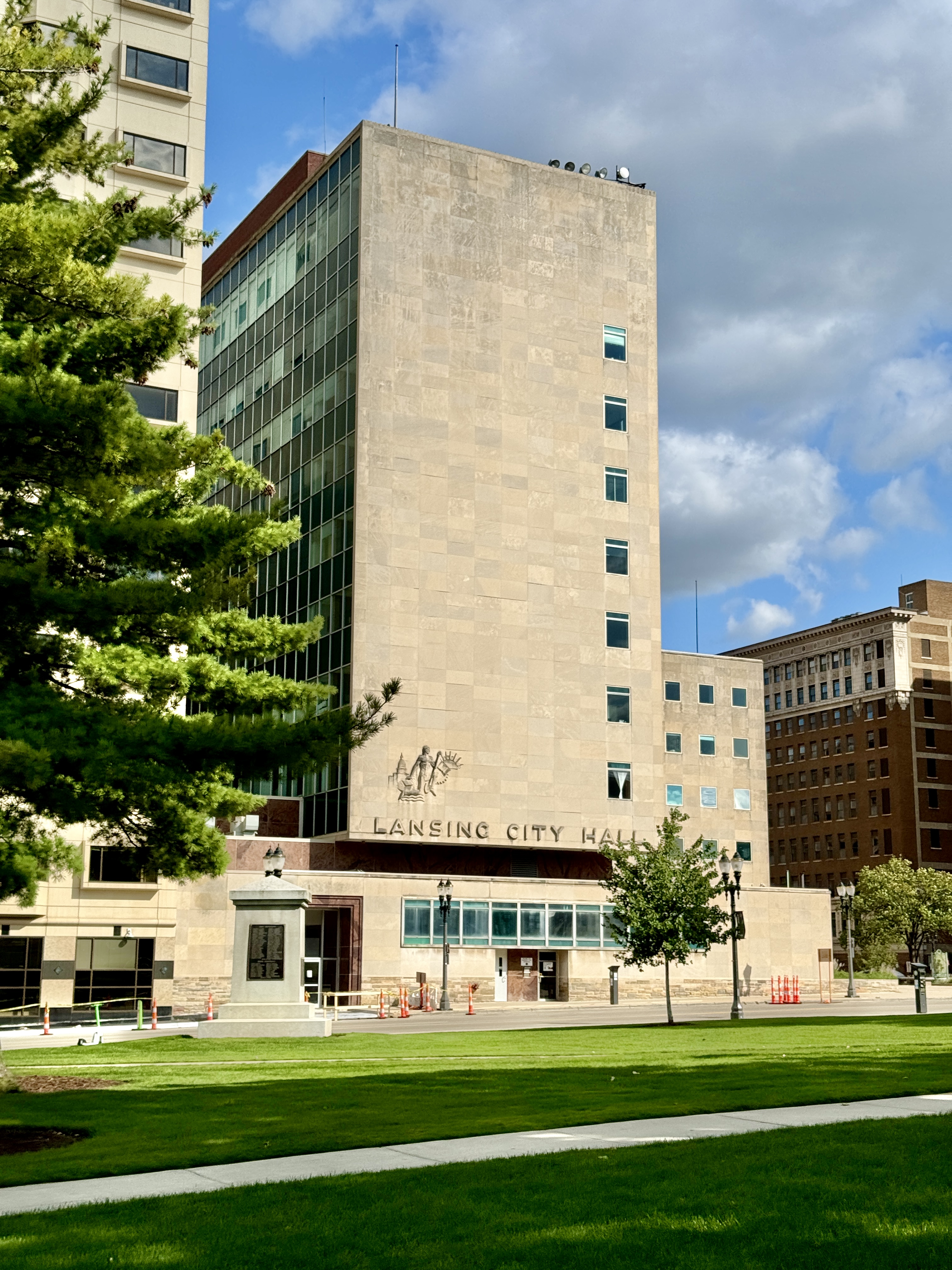
The notice says the full ordinance is available for review at the City Clerk’s Office on the ninth floor of City Hall.
Why the city acted
AARP Michigan brought concerns about scams targeting older adults and other residents to city officials, WKAR reported in October.
Council Member Ryan Kost told WKAR the machines can be confusing: “When they're sitting next to the ATM, it certainly looks like it's, you know, just another ATM.”
The FBI describes cryptocurrency kiosks as ATM-like machines that exchange cash and cryptocurrency. Scammers may direct people to withdraw cash, find a kiosk and send money through it.
Reported scam losses
The FBI’s 2025 kiosk complaint data lists more than $388 million in reported losses nationwide, up 58% from 2024.
Michigan accounted for 368 complaints and about $11.9 million in losses. The FBI cautions that these complaints can include other payment methods, so the entire reported loss cannot necessarily be attributed to a kiosk.